
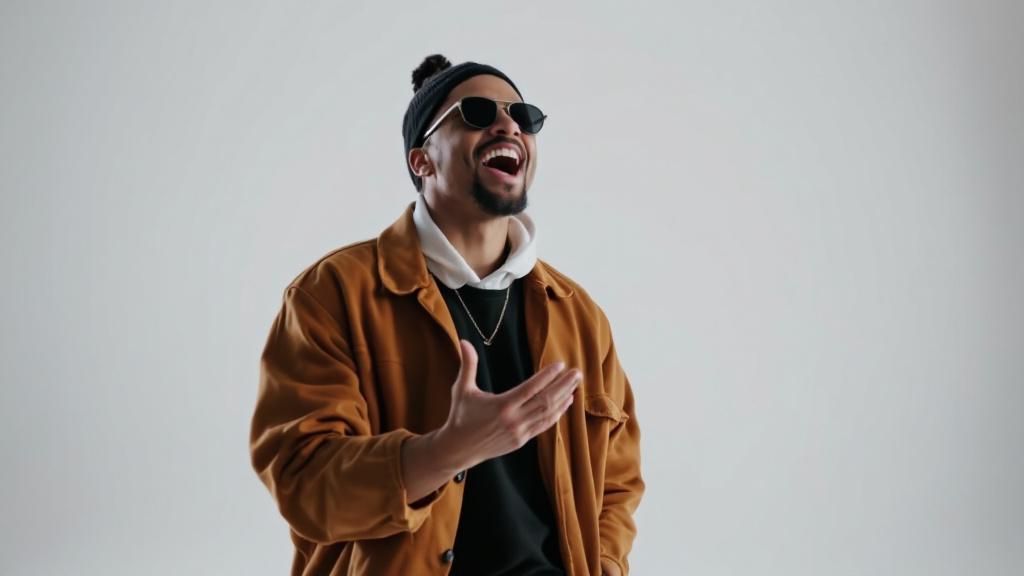
In an increasingly digital space, social media has substantially altered how audiences locate, experience, and connect with music. A distinguished musician previously revealed candid insights into this seismic shift, examining how platforms like TikTok, Instagram, and YouTube have revolutionised the entertainment industry. From broadening access to emerging artists to disrupting traditional record label models, social media’s influence is beyond question. This article analyses the possibilities and difficulties facing modern musicians, investigating how they’re adapting their strategies to flourish in an era where breakout content can establish new stars overnight.
The Emergence of Fan Engagement Platforms
Social media has profoundly reshaped the connection between artists and fans, eliminating established middlemen that once governed artist-fan communication. Platforms such as Instagram, TikTok, and Twitter now allow performers to share their creative process, individual perspectives, and unreleased material to vast audiences in real time. This extraordinary transparency has fostered deeper, more authentic connections between performers and their fanbase, turning inactive consumers into involved advocates who feel authentically engaged with an performer’s creative path and professional development.
The consequences of this hands-on connection are deep and complex. Artists can now gather real-time feedback on new material, validate approaches with their listeners before public launches, and foster engaged audiences that deliver crucial assistance throughout their creative journeys. Furthermore, this opening up of channels has empowered emerging musicians to develop large followings without external backing, avoiding industry gatekeepers that historically dominated the music business. Consequently, the established hierarchies between record labels, promoters, and artists have changed substantially, opening fresh avenues for creative autonomy and economic self-sufficiency.
Drawbacks of Perpetual Connection
Whilst social media has unquestionably opened doors for aspiring musicians, the unending requirement for perpetual content output presents considerable obstacles. Artists now find themselves obligated to maintain an virtually uninterrupted online presence, crafting engaging posts, stories, and videos to preserve viewer attention and platform algorithms. This pressure draws away crucial time and energy from the creative process itself, possibly undermining the calibre of artistic work. Furthermore, the expectation to be continuously available can exact a significant cost on psychological wellbeing, as musicians grapple with public scrutiny, critical feedback, and the anxiety of maintaining relevance in an ever more crowded virtual landscape.
The algorithmic nature of social media platforms creates additional complications for musicians seeking long-term career viability. Success is no longer based exclusively on talent or artistic merit; instead, it depends heavily upon grasping platform mechanics, when to post content, and content trends. This unpredictability means that even exceptionally talented artists can find it difficult to build momentum, whilst others gain widespread attention by being novel rather than authentic creative work. Moreover, the transient nature of online engagement means that sustaining success requires constant reinvention, leaving musicians trapped within an relentless pattern of change and output that frequently seems removed from genuine artistic creation.
The Prospects of Musical Content and Digital Platforms
The trajectory of the music industry appears deeply intertwined with the development of digital platforms. As AI and machine learning keep advancing, tailored music curation will become increasingly sophisticated, fundamentally altering how listeners discover new artists. Streaming services are committing significant resources to algorithmic playlist creation, which promises to democratise exposure further whilst concurrently generating questions about artistic merit and commercial viability. The musician stressed that adaptability will be crucial for those seeking longevity in this rapidly transforming landscape.
Rising technologies offer both unprecedented opportunities and formidable challenges for contemporary musicians. VR performance experiences, decentralised royalty platforms, and NFT assets embody emerging spaces that artists are beginning to explore experimentally. However, the sustainability of these advances is unclear, and considerable numbers of creators demonstrate hesitation concerning their sustained potential. The prevailing view implies that whilst exploration remains vital, maintaining authentic connections with audiences through traditional means stays equally vital for establishing enduring professional trajectories and developing true listener devotion.
Looking ahead, successful musicians will likely adopt mixed methods that harness social media’s audience whilst maintaining artistic vision and creative control. The democratization of production equipment means that home-based creators now stand shoulder to shoulder with professional studios, significantly redefining industry hierarchies. Nevertheless, the human element—storytelling, emotional depth, and genuine connection—cannot be duplicated by algorithms or technology. The musician determined that this balance between authenticity and innovation will ultimately determine the next generation of entertainment sector achievement.
