
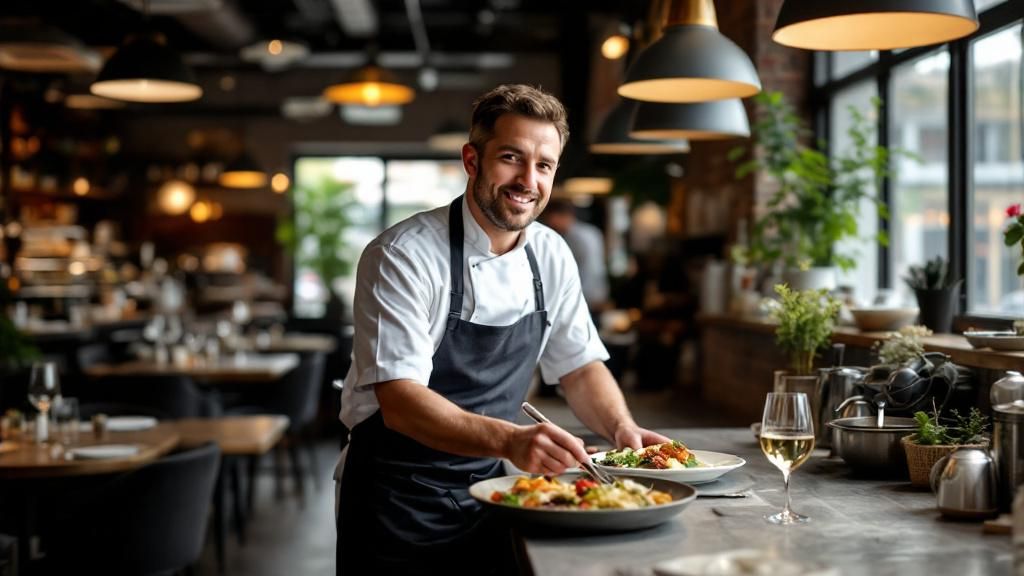
In a daring move that questions conventional eating habits, a renowned culinary figure has unveiled an innovative restaurant that prioritises ecological sustainability and local engagement. This groundbreaking establishment eschews traditional sourcing methods in preference for sustainable, locally-grown ingredients, whilst also building genuine connections with the local community. Discover how this ambitious venture integrates exceptional cooking with ethical practices, setting a significant benchmark for the dining sector and demonstrating that high-end dining can succeed without sacrificing on conscience.
A Fresh Approach for Premium Dining
The contemporary fine dining landscape has traditionally characterised by exclusion and separation from its sources of supply. However, this innovative restaurant fundamentally reimagines what sophisticated cuisine can signify. By focusing on transparency and accountability throughout its processes, the establishment demonstrates that cooking excellence and ethical conduct are not contradictory pursuits. This paradigm shift confronts traditional industry norms, proving that guests increasingly seek understanding the origin of their meals and comprehending the wider consequences of their dining choices.
Rather than following the conventional approach of haute cuisine, this venture champions a ethos that celebrates regional producers and seasonal availability. The chef’s dedication to environmentally responsible methods goes further than the kitchen, encompassing everything from waste reduction to energy efficiency. This comprehensive strategy appeals strongly to contemporary consumers who desire authentic encounters aligned with their values. By marrying gastronomic innovation with environmental stewardship, the restaurant establishes a persuasive model for how the hospitality sector might evolve, proving that conscience and culinary artistry can flourish in balanced collaboration.
Buying from Local Producers
The restaurant’s dedication to sustainability is rooted in its thoughtfully assembled network of neighbourhood food sources and craft food producers. Rather than relying on conventional wholesale distributors, the establishment has established direct partnerships with neighbouring farms, seafood producers, and craft food manufacturers. This method not only delivers outstanding ingredient calibre and quality, but also markedly lowers the emissions associated with long-distance transportation. By promoting neighbourhood food makers, the restaurant confirms that every dish reflects the genuine tastes and seasonal nature of the local landscape.
These collaborative relationships extend far beyond mere commercial transactions. The chef frequently tours supplier sites to grasp production methods, discuss sustainability practices, and offer helpful suggestions. This transparency fosters mutual respect and enables producers to gain acknowledgment for their efforts. Furthermore, the restaurant features rotating menus that highlight seasonal availability, informing customers about the seasonal patterns of local agriculture. Such practices strengthen community bonds whilst demonstrating that culinary excellence and ecological responsibility are fully aligned objectives within the contemporary hospitality industry.
Local Community at the Core of the Restaurant
The restaurant’s commitment to neighbourhood participation extends far beyond merely serving high-quality cuisine. Chef and proprietor have intentionally created the space to serve as a authentic local gathering place, organising regular events that highlight neighbourhood creativity and foster authentic bonds amongst patrons. From food preparation events showcasing community growers to joint meal events with community groups, the establishment deliberately fosters an welcoming environment where guests sense true appreciation and appreciated as part of an extended family.
Educational initiatives form a foundation of the restaurant’s community-focused philosophy. The venue frequently provides workshops teaching eco-friendly cooking methods, knowledge of nutrition, and ecological accountability to community members of all ages and backgrounds. By democratising culinary knowledge and helping individuals to make informed food decisions, the restaurant transcends its business role and becomes a driver of beneficial behavioural shifts throughout the surrounding area, encouraging sustained shifts in how groups approach eating habits.
Furthermore, the establishment develops robust collaborations with local charities, food banks, and social enterprises, ensuring surplus ingredients support vulnerable populations. Staff members are actively encouraged to volunteer within the community, whilst a portion of profits contributes to neighbourhood initiatives and environmental protection projects. This multifaceted approach demonstrates that restaurants can function sustainably whilst actively supporting societal wellbeing and environmental protection simultaneously.
